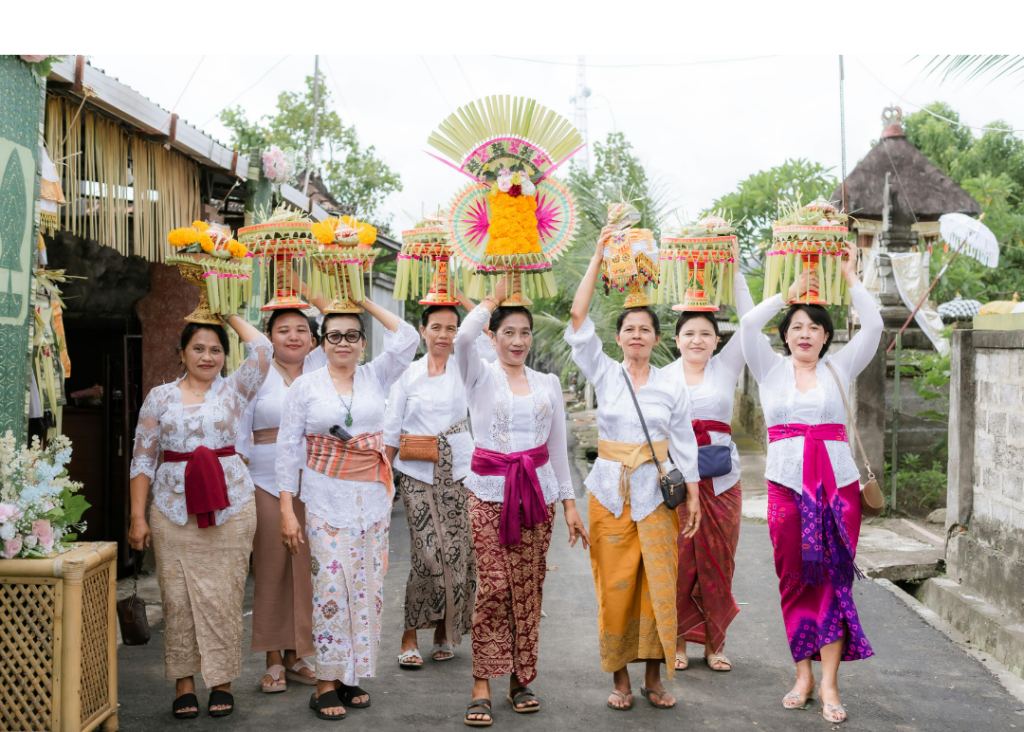
Rerahinan Bali 2026 – Cultural Calendar & Travel Insight
Understanding Rerahinan in Bali
Rerahinan refers to sacred days in the Balinese Hindu calendar when ceremonies, prayers, and offerings are performed. These observances are deeply integrated into daily life across Bali, influencing temple activities, community rituals, business operations, and even travel flow.
For travelers and travel professionals, understanding rerahinan helps with better trip planning, respectful cultural engagement, and smoother on‑ground logistics.
Below is a curated overview of key rerahinan dates throughout 2026 with brief cultural context and practical travel insight.
January 2026
January opens the year with a steady spiritual rhythm. Tumpek Krulut honors love, art, and harmony, while Purnama (Full Moon) and Tilem (New Moon) mark important prayer days. Siwa Ratri is observed as a night of meditation and spiritual reflection. Travel is generally smooth, though temple ceremonies are frequent.
February 2026
February is relatively calm ceremonially. Tumpek Kandang recognizes animals and their role in daily life. Full Moon and New Moon observances continue to shape temple visitation patterns. This month is typically comfortable for cultural exploration without major disruptions.
March 2026
One of the most important months spiritually. Nyepi, the Balinese Day of Silence, falls on 19 March 2026. The entire island pauses for 24 hours: airport closure, no outdoor activities, and minimal lighting. The days leading up to Nyepi feature purification rituals, while Ngembak Geni the following day focuses on renewal and reconciliation. Advance planning is essential for visitors.
April 2026
April highlights intellectual and spiritual strengthening. Saraswati celebrates knowledge and learning, followed by Banyu Pinaruh for purification. Pagerwesi emphasizes spiritual resilience, while Tumpek Landep honors tools, technology, and craftsmanship. A good period for educational or cultural-focused travel.
May 2026
Nature becomes the central theme. Tumpek Uduh is dedicated to trees and plants, reflecting the Balinese philosophy of harmony with the environment. Full Moon and New Moon ceremonies continue regularly. Suitable timing for eco-oriented travel experiences.
June 2026
This is one of Bali’s most vibrant ceremonial periods due to Galungan and Kuningan. These festivals celebrate the victory of dharma over adharma (good over evil) and honor ancestral spirits. Expect decorated streets with penjor bamboo poles, strong community activity, and occasional operational adjustments in villages.
July 2026
A quieter ceremonial cycle returns. Regular Full Moon and New Moon observances continue. This month is often ideal for travelers seeking cultural atmosphere without peak ceremonial density.
August 2026
Tumpek Krulut reappears, again emphasizing emotional balance, art, and music. Combined with lunar observances, this period can offer meaningful cultural encounters, particularly around community arts and rituals.
September 2026
Tumpek Kandang focuses again on animals and harmony between humans and nature. Community ceremonies are usually localized, making it a good month for visitors interested in authentic village life.
October 2026
Tumpek Wayang is associated with spiritual purification and traditional shadow puppet symbolism. Saraswati returns at the end of the month, once again highlighting knowledge and learning traditions across Bali.
November 2026
Pagerwesi emphasizes inner strength and spiritual protection. Tumpek Landep again honors tools and human skills. These observances are culturally significant but generally travel-friendly.
December 2026
The year closes with reflection and gratitude toward nature through Tumpek Uduh, alongside regular lunar observances. It is a thoughtful period culturally while remaining accessible for tourism activities.
Practical Notes for Travelers & Travel Professionals
- Always check major ceremony dates before confirming itineraries.
- Some temples may restrict visitor access during peak rituals.
- Traffic patterns can shift around major festival periods.
- Cultural awareness enhances guest experience significantly.
Understanding rerahinan is not only about respecting local traditions but also about creating better, more seamless travel experiences across Bali and Indonesia.